HVLP spray finishing tools
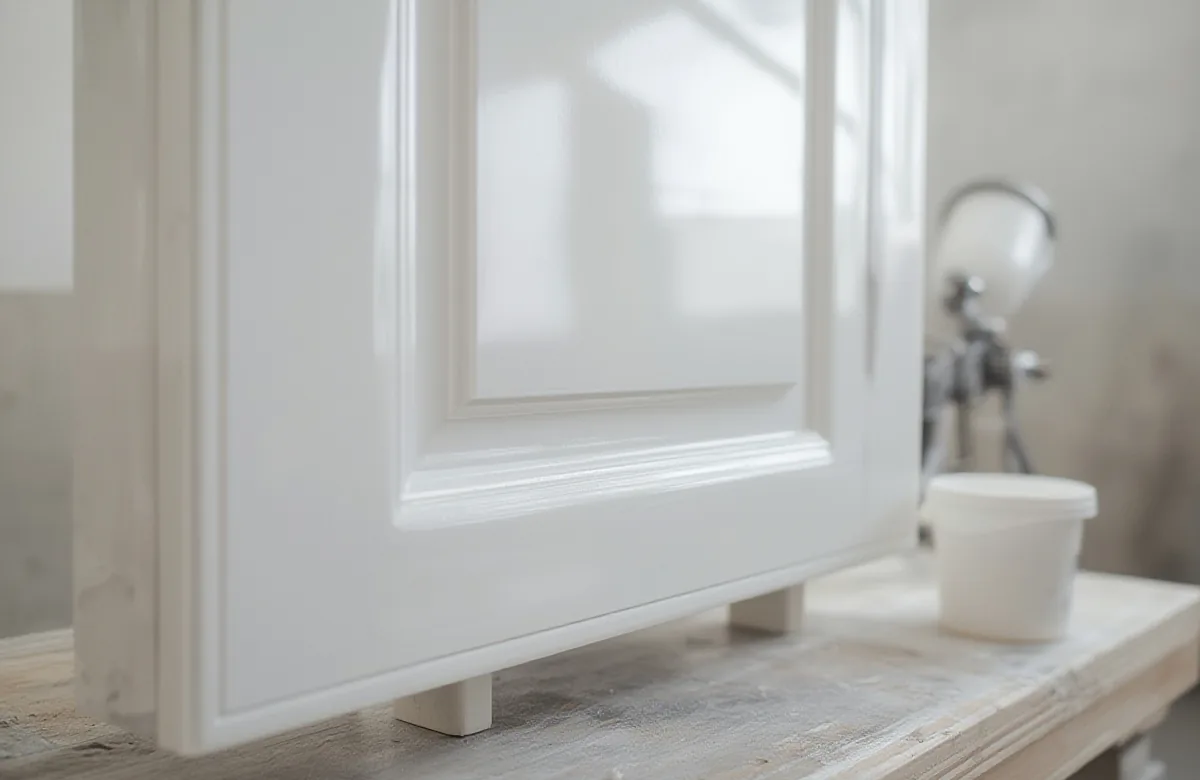
Measure the mix, strain it, check its viscosity, hold the gun at the right distance, check the film you put down and keep the work off the bench. Everything is printed in white PETG, which stands up to mineral spirits, thinners and water-based finishes, and the more you add to your cart the less each piece costs.
- Ships to Canada and the US
- Orders of $50 or more ship free
- In-stock tools ship next business day
- 30-day returns
- Mixing and straining
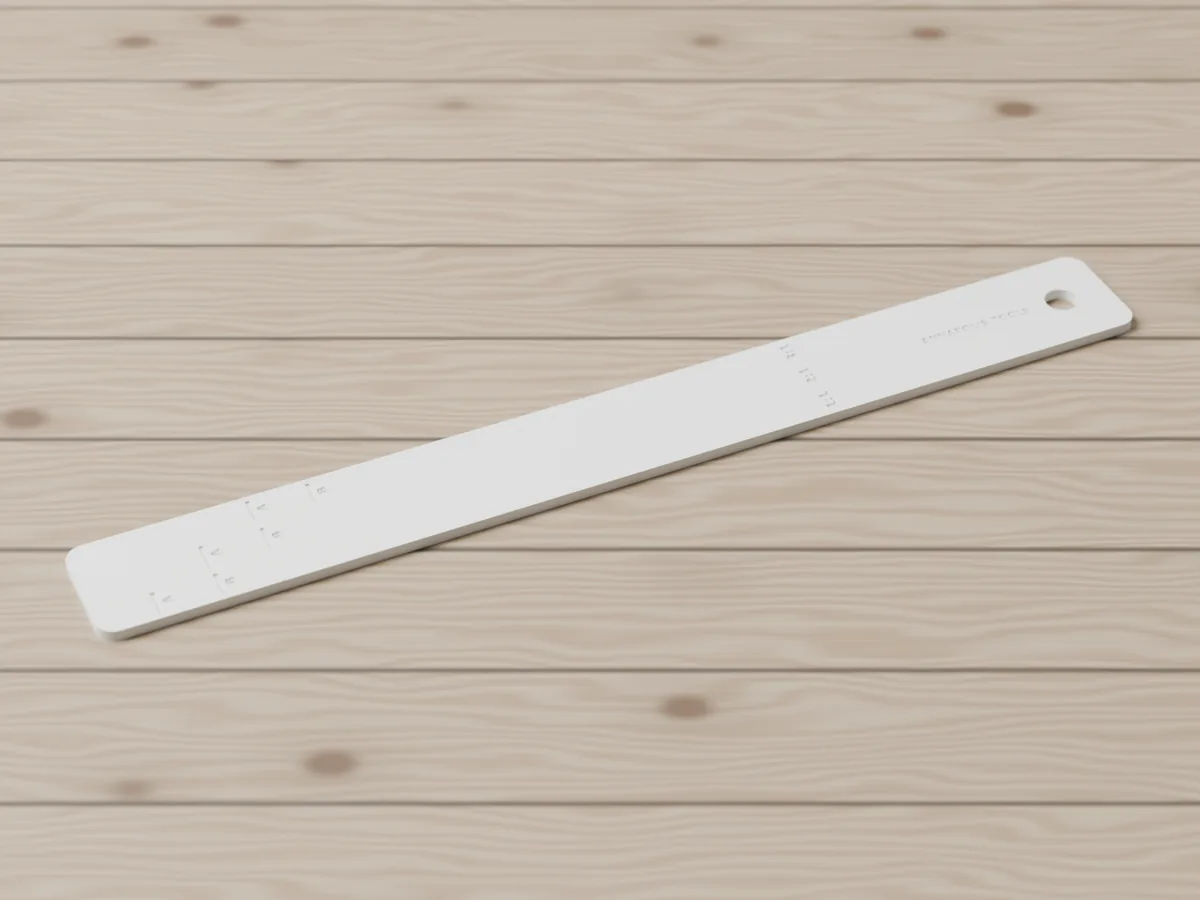
Paint mixing ratio sticks
Pour to the A line, pour to the B line, stir.
$28.45 CAD$21.95 USD
- Mixing and straining
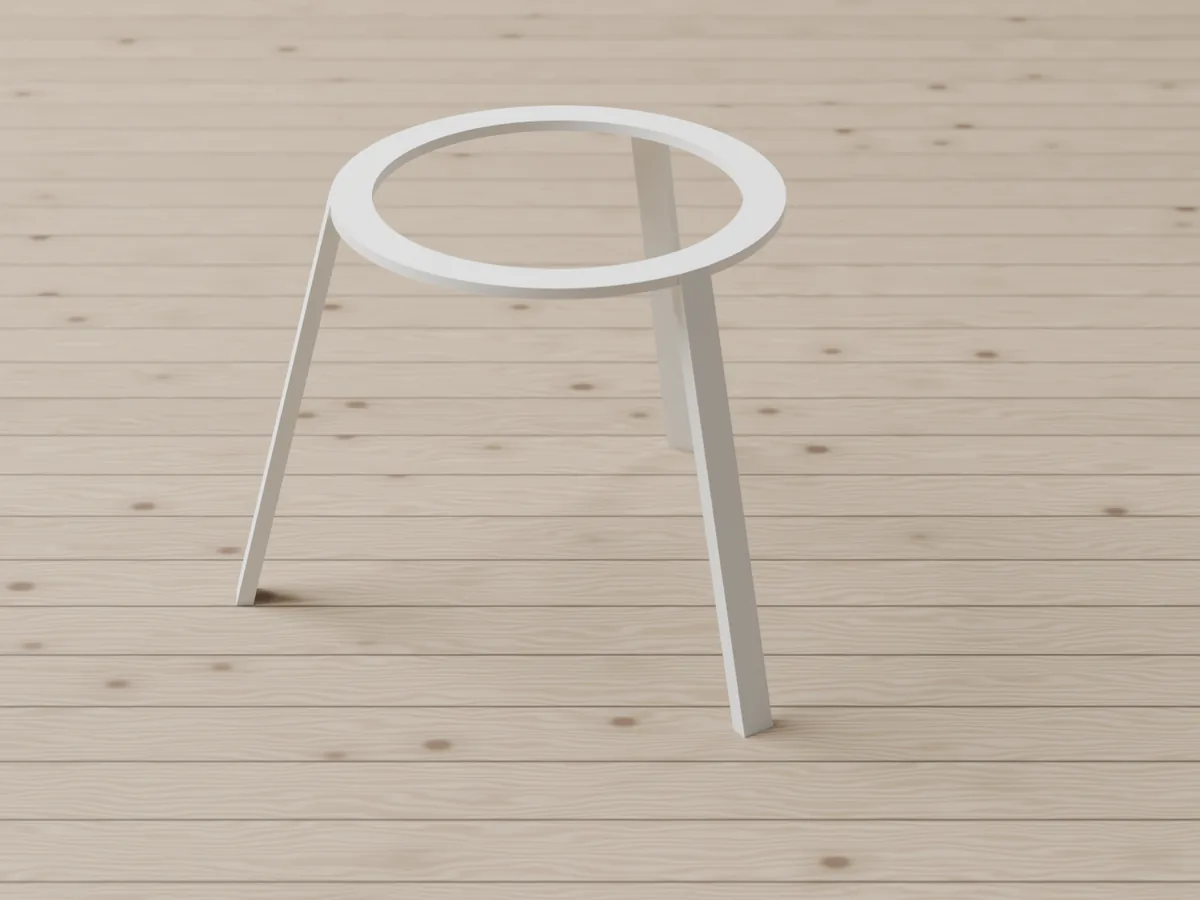
Paint cone strainer stand
Hold a paper cone strainer over your cup and pour with one hand.
$25.95 CAD$19.95 USD
- Measuring
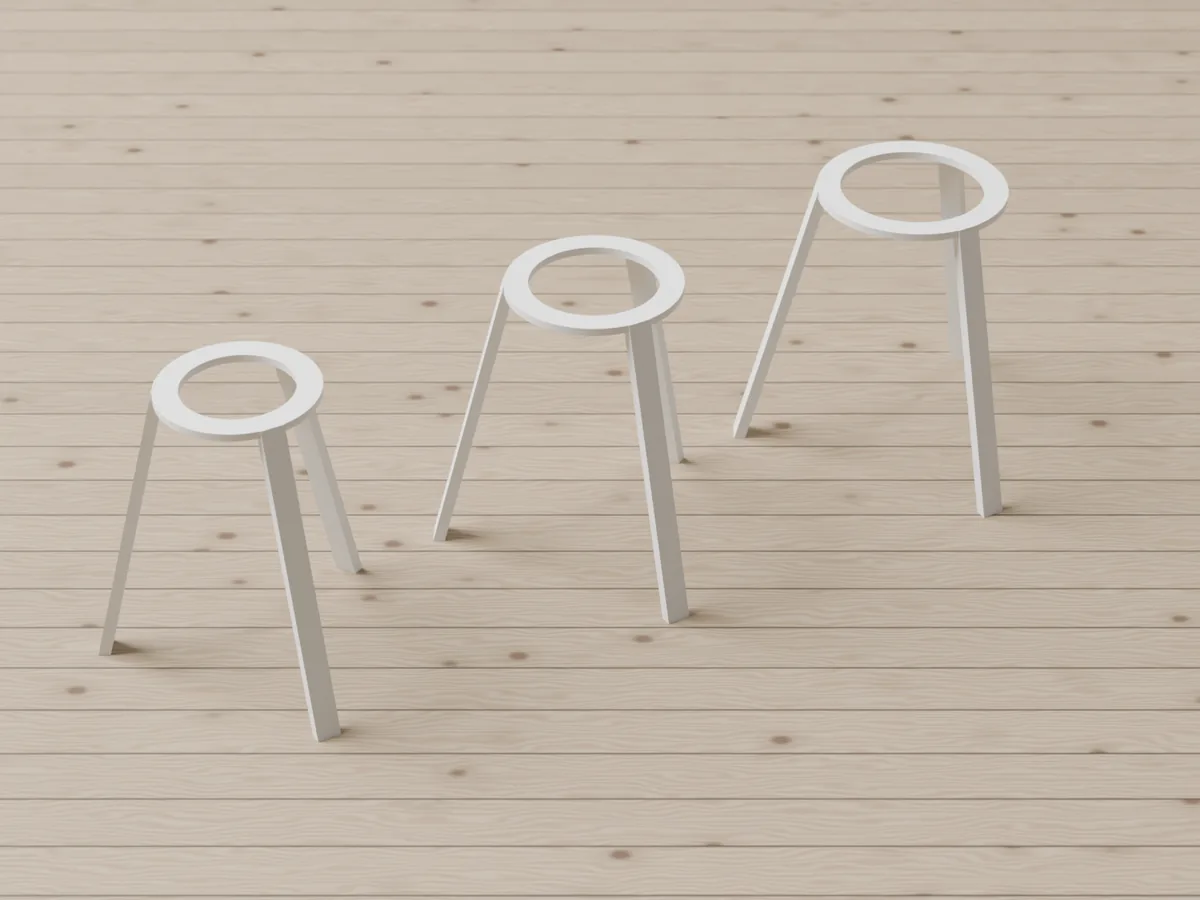
Viscosity cup stand
Hold a flow cup over a catch cup and time the flow with both hands free.
$18.45 CAD$13.95 USD
- Measuring
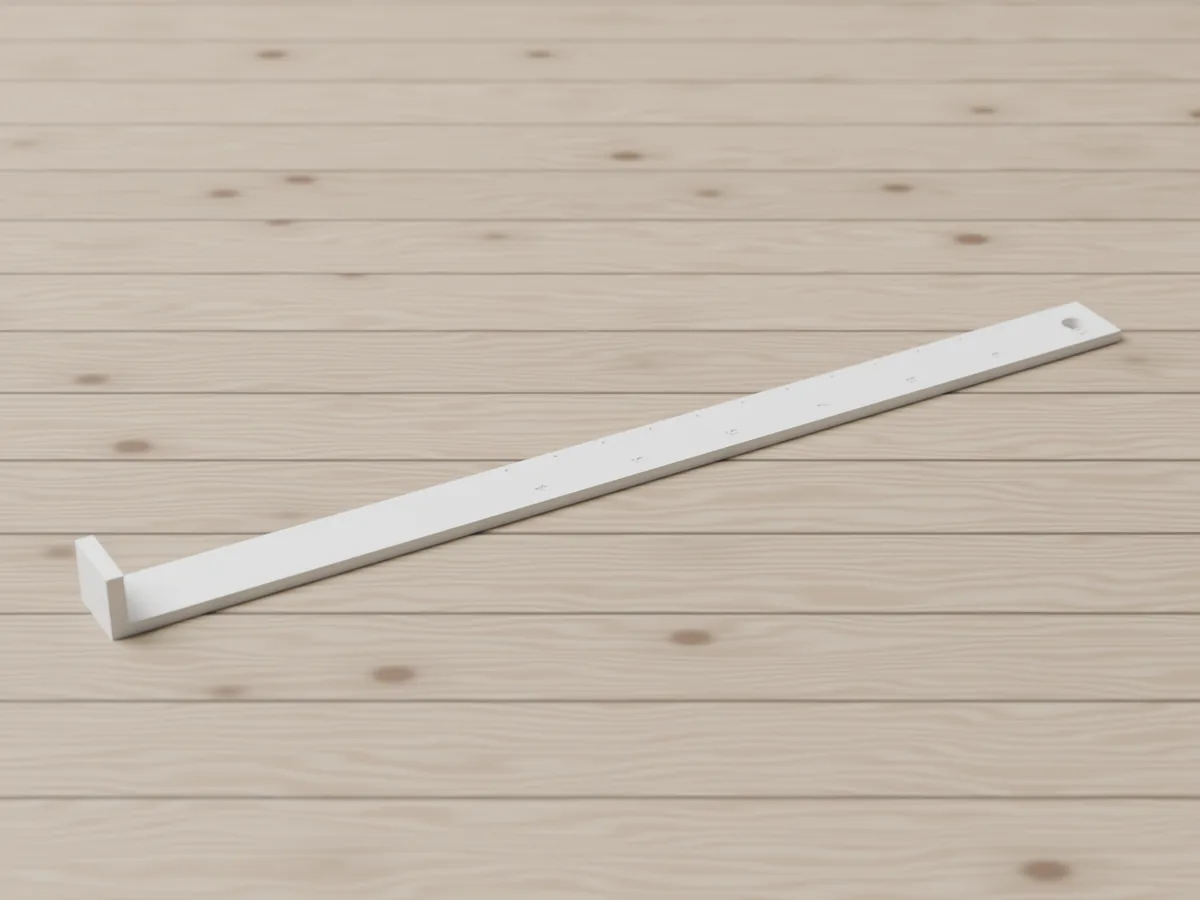
HVLP spray distance gauge
Rest the foot on the work and read the mark at the air cap, every pass.
$7.95 CAD$5.95 USD
- Measuring
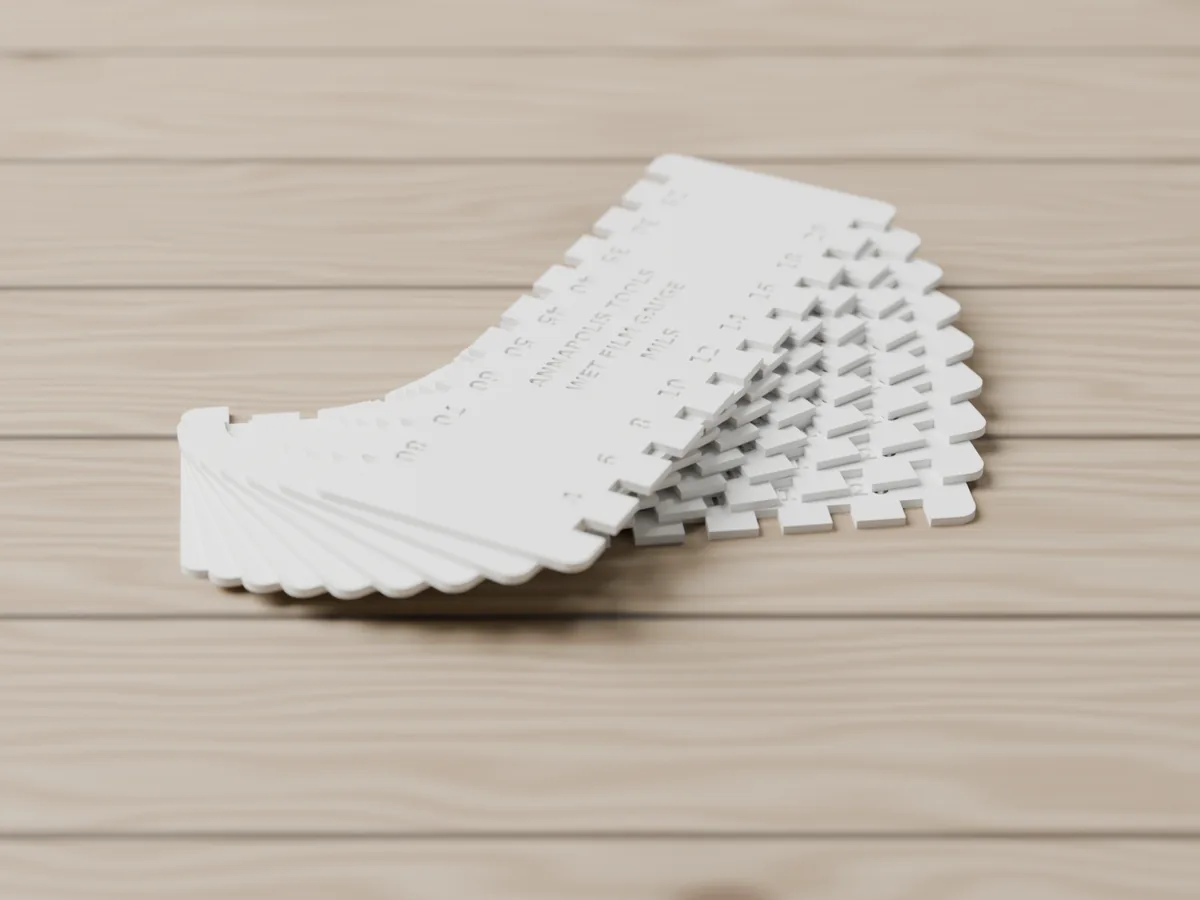
Disposable wet mil gauge
Press the edge into the wet coating and read the thickness in mils.
$12.45 CAD$9.95 USD
- Support and drying
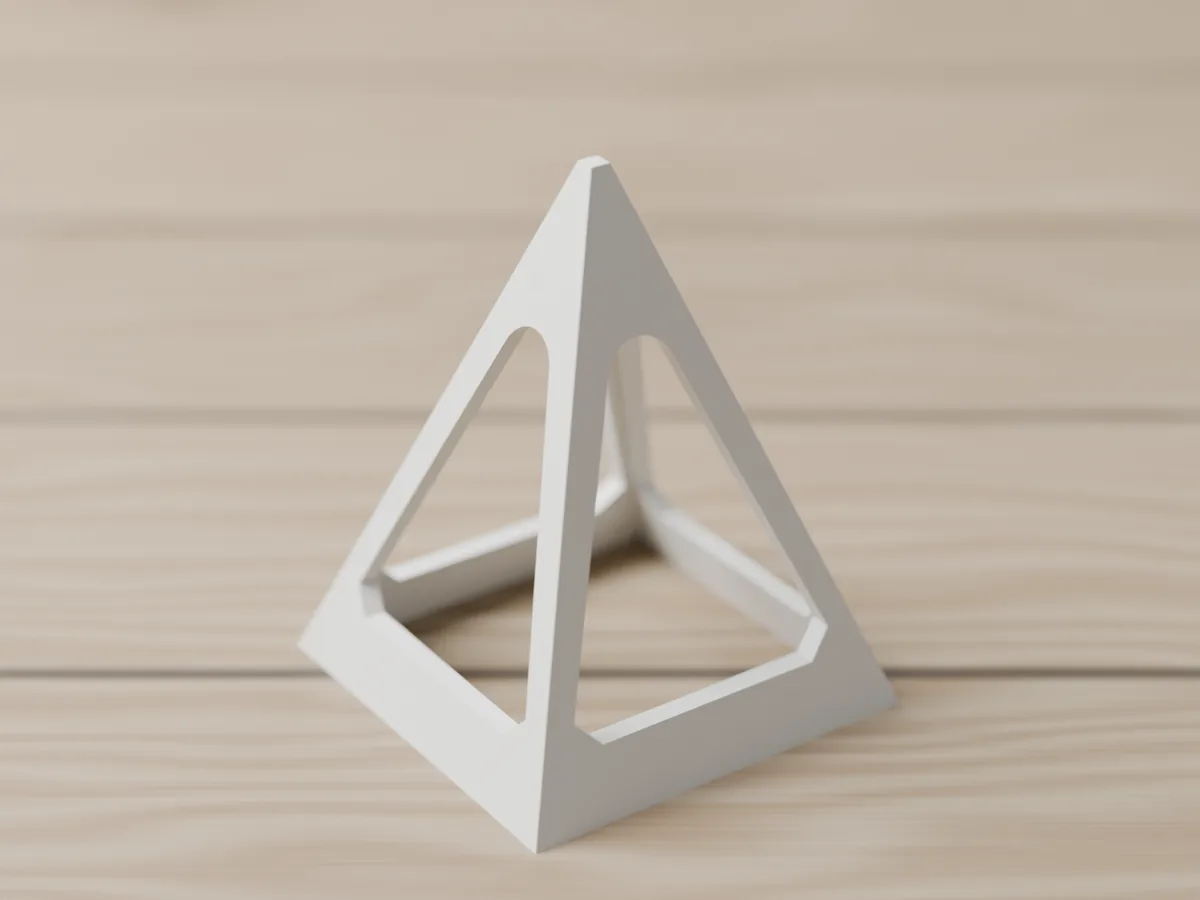
Painter's pyramids
Stand a door, shelf or panel on the points and spray every face and edge in one go.
$12.95 CAD$9.95 USD
- Support and drying
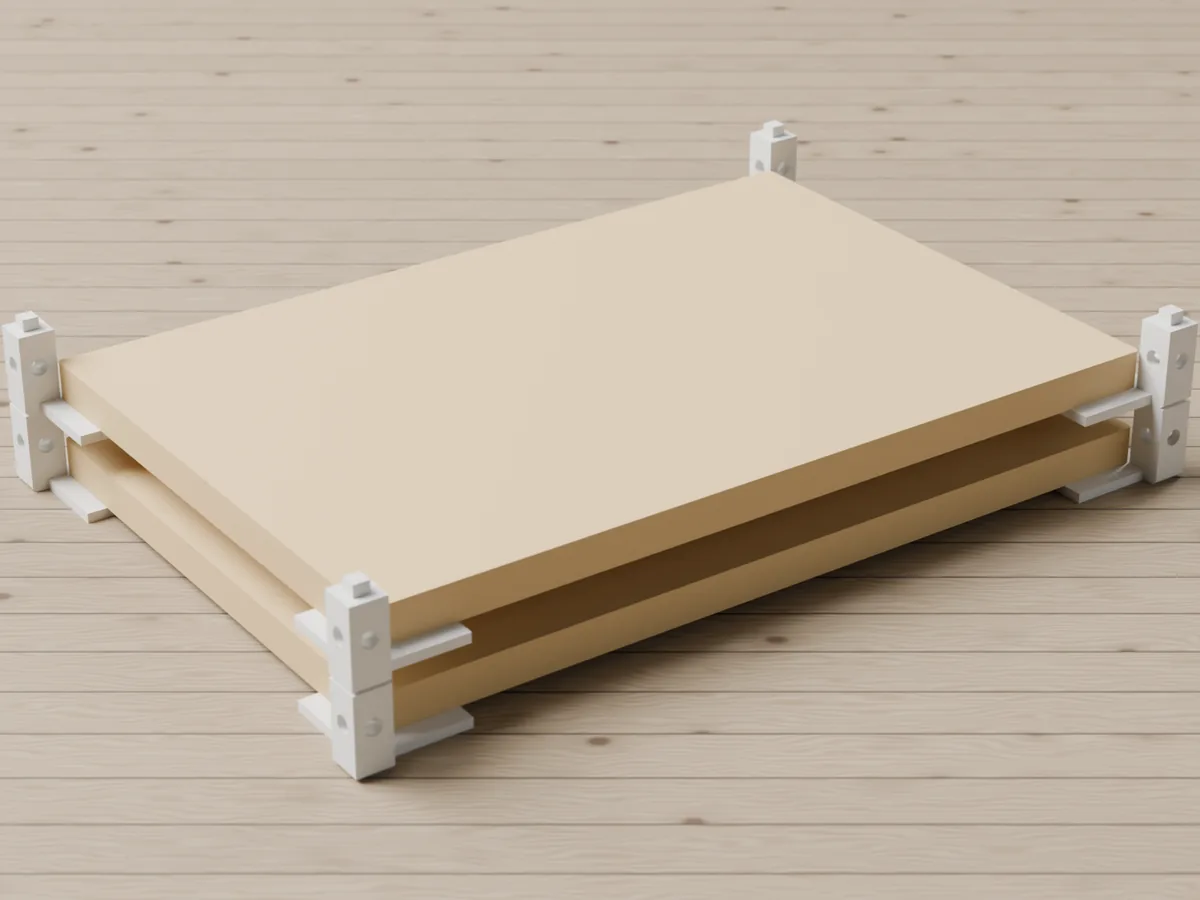
Cabinet door stacking corners
Dry a stack of cabinet doors in the space of one.
$34.45 CAD$26.95 USD
No products in this group yet.
The tool pictures are design renders and the banner photo is AI-generated.
Guides for these tools
- HVLP spray finishing: a bench checklist
Most spray finish problems start before the trigger: a wrong ratio, a lump in the cup, paint too thick or too thin, or a gun held too close.
- Mix a two-part finish by volume
Two-part finishes, primers and thinned paint all ask for a ratio: two parts of this to one part of that.
Where each tool fits
In the order you reach for them.
- Mix. Paint mixing ratio sticks. Measure two-part and thinned mixes by volume.
- Strain. Paint cone strainer stand. Hold the strainer over your cup and pour one-handed.
- Check viscosity. Viscosity cup stand. Time a flow cup with both hands free.
- Hold the distance. HVLP spray distance gauge. Keep the gun the same distance from the work on every pass.
- Check the film. Disposable wet mil gauge. Read the wet coating thickness before it dries.
- Support the work. Painter's pyramids. Lift the piece off the bench so the edges and underside can be sprayed.
- Dry the doors. Cabinet door stacking corners. Stack sprayed doors so they dry without touching anything.
Material: PETG
For parts that touch solvent-borne finishes.
I print the spray finishing tools in PETG, not PLA. I print these tools in white PETG on purpose: coloured filament can bleed pigment into a wet finish or thinner, and white keeps your work from picking up a tint. PETG holds up to the mineral spirits and thinners used with oil-based finishes, to water-based finishes and to shellac, and it is tougher than PLA, so a dropped part is less likely to crack. It is not proof against everything: strong solvents such as acetone, MEK and lacquer thinner will soften or craze it. Wipe a part clean while the finish is wet and don't leave it soaking.
The mixing sticks, strainer stand, viscosity cup stands, distance gauge, wet mil gauges, painter's pyramids and cabinet door stacking corners are all made this way. Prices are per pack or per piece as listed, and the more you add to your cart the less each one costs.
Need a woodworking tool that doesn't exist yet?